Secret Lagoon in Iceland Travel Guide
Secret Lagoon in Iceland is located within the Golden Circle travel area near Reykjavík....
Learn More
Choose your currency

Get to know Iceland
Golden Circle Iceland is a tourist route in southwest Iceland that forms a compact driving loop from Reykjavík, through the southwest, and back. The route is central to any Iceland travel guide because it connects major landscapes into one structured plan.
The Golden Circle route includes 3 primary stops in Iceland: Þingvellir National Park, Geysir Geothermal Area (Haukadalur), and Gullfoss Waterfall, with the connected South Coast extending the same travel logic. These stops form the basis of most Golden Circle tours, ranging from the Golden Triangle and one-day route to combined Golden Circle and South Coast itineraries that vary in distance and driving time.
Golden Circle travel planning depends on the season in Iceland, which determines daylight, weather, and road conditions along the route. Golden Circle self-drive by campervan allows flexible pacing under varying conditions, and Golden Circle campsites offer legal overnight stays to support multi-day travel.
The Golden Circle is a well-known sightseeing route that begins and ends in Reykjavík and connects 3 major attractions in Iceland within a short driving radius of the capital.
The full loop covers approximately 300 km (about 190 miles) round-trip from Reykjavík. Driving time is around 4–5 hours without extended stops, making it manageable as a full-day trip. Reviewing a Golden Circle map before departure helps organize distances, stop duration, and timing.
The most popular sightseeing spots in the Golden Circle in Iceland include:
Þingvellir National Park contains a visible tectonic rift valley where the North American and Eurasian plates meet. The area includes walking paths and designated viewpoints overlooking the surrounding landscape.
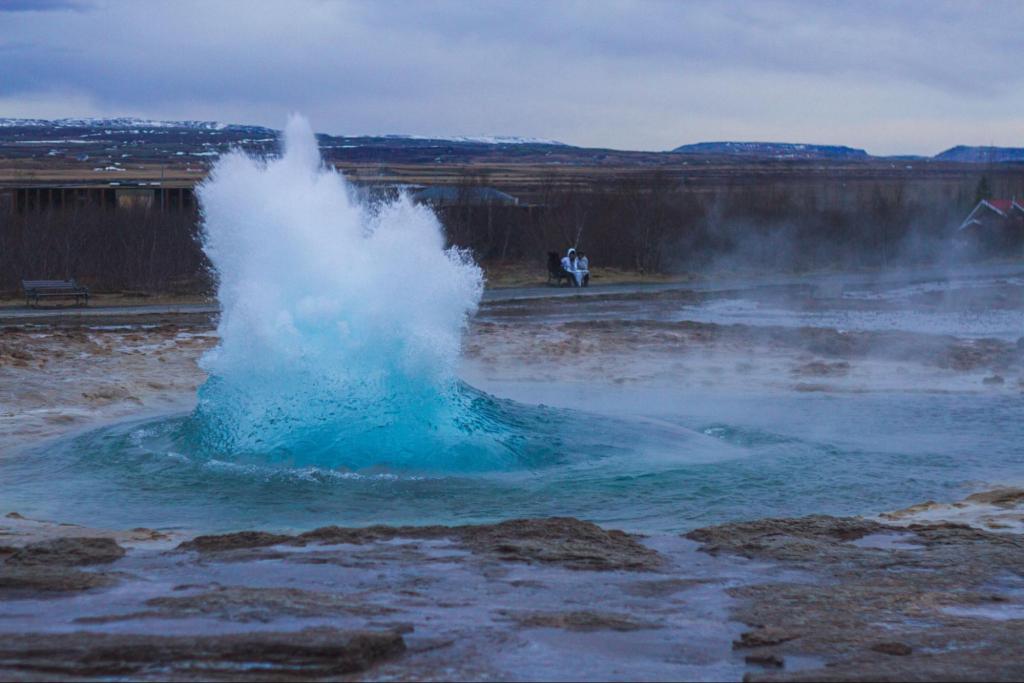
Geysir Geothermal Area (Haukadalur) includes erupting hot springs and active steam vents. Strokkur geyser erupts regularly, sending water upward at frequent intervals.
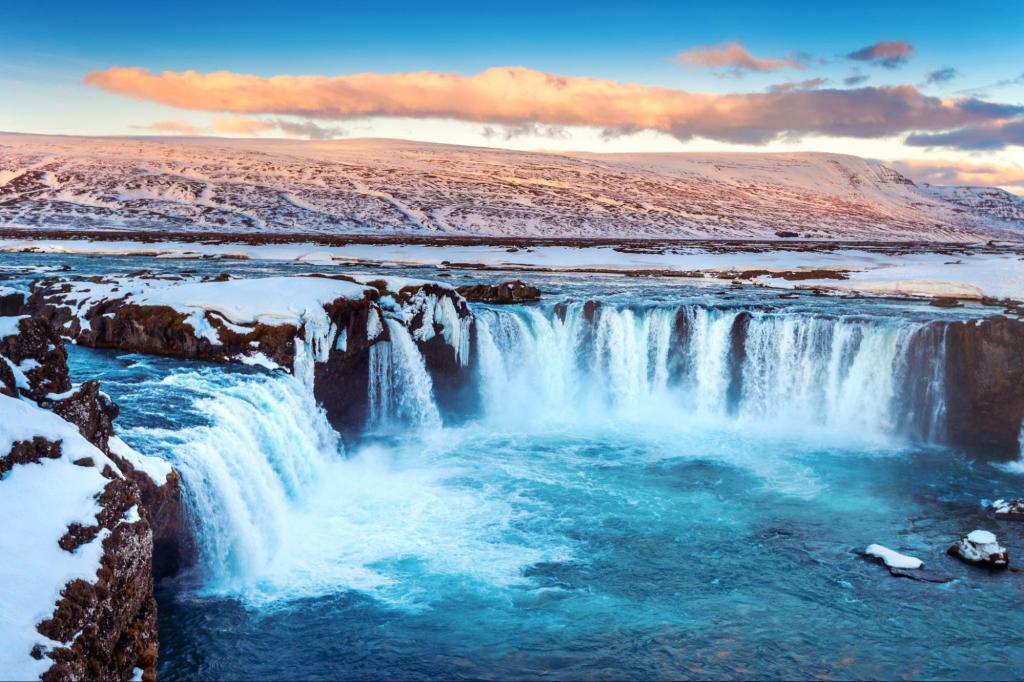
Gullfoss in the Golden Circle is a large waterfall formed by glacial river flow. The water descends in 2 stages into a canyon, creating one of the most visited natural sites on the route.
The South Coast contrasts with the Golden Circle by featuring coastal cliffs, black-sand beaches, and glacier views. It commonly pairs with the Golden Circle to extend the route into a longer self-drive itinerary.

Þingvellir National Park is a key stop on the Golden Circle route. It features a visible rift valley where tectonic plates meet. The area includes open plains, elevated viewpoints, and views over a large lake. Marked walking trails connect the visitor area to the main viewpoints.
Most travelers spend about 1–2 hours on site. The layout suits self-drive travel, with organized parking and straightforward access at the main trailheads. Walking conditions depend on the weather and season. In winter, surfaces can be icy, while in rainy periods, trails may become slippery.
From Þingvellir, the Golden Circle continues to the next stop, where the landscape shifts from rift valley terrain to geothermal activity.
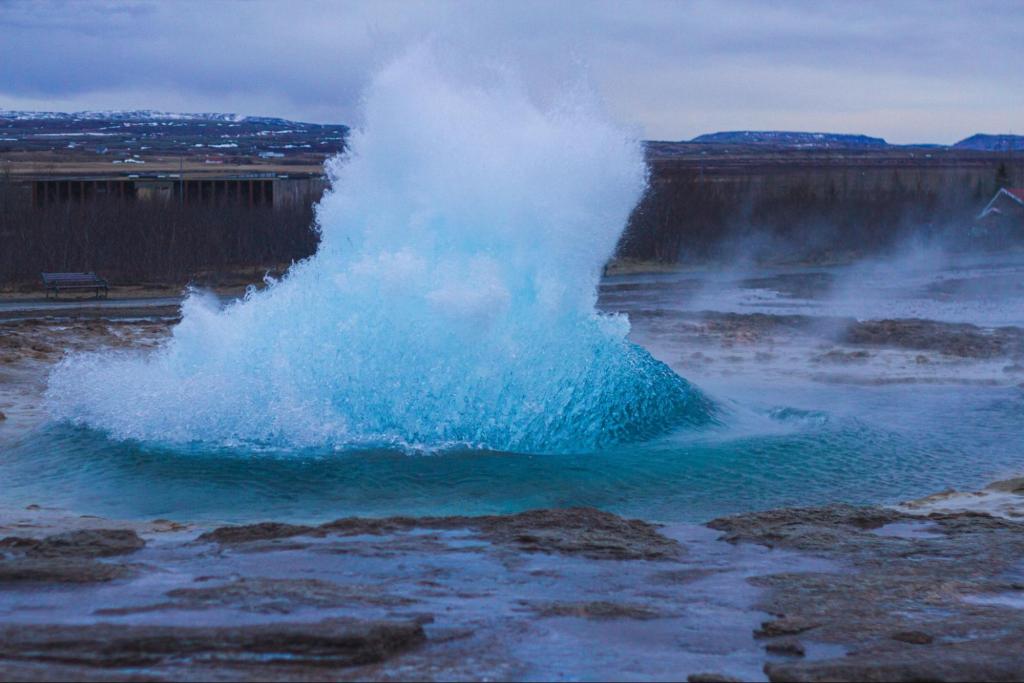
Geysir Geothermal Area in Haukadalur Valley, Iceland, is one of the key Golden Circle sights, which features active geysers, hot springs, and steam vents.
The site includes Strokkur, which erupts regularly, sending water 15–30 meters (50–100 ft) into the air. Eruption intervals vary depending on natural conditions. Smaller hot springs and vents remain active throughout the area.
Marked paths connect the main observation points. Visitors typically walk between them, wait for an eruption, and continue to the next stop. Most stays last about 30–60 minutes.
Safety barriers mark restricted zones, as boiling water and unstable ground can cause injury. Weather conditions may affect visibility, and surfaces can be slippery.
A parking area is located near the geothermal area, allowing easy access for visitors arriving by car on the Golden Circle self-drive route.
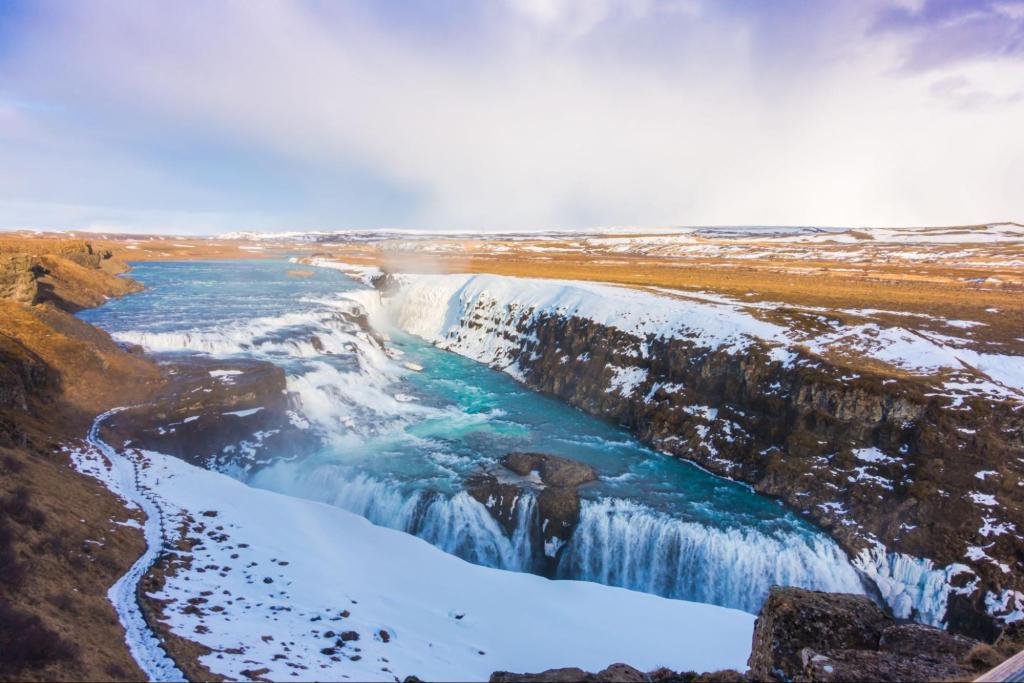
Gullfoss is a 2-tiered waterfall on Iceland’s Golden Circle route. The water descends into a canyon, producing mist that often rises above the gorge.
Upper and lower viewpoints provide different perspectives of the falls. A short walking path (about 0.3 km / 0.2 miles) connects the parking area to the viewing areas, allowing either a brief stop or a longer walk along the railing for different angles.
Wind can push mist across the platforms, creating slippery surfaces. Conditions vary by season; winter often brings ice and cold temperatures. From Gullfoss, many itineraries continue toward Iceland’s South Coast.
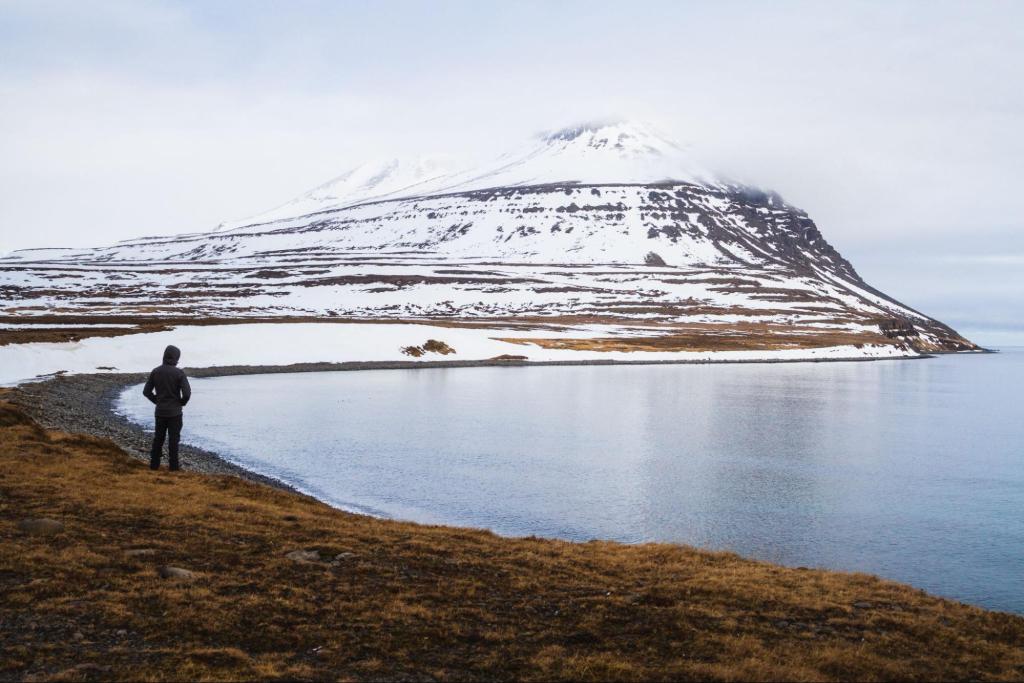
The South Coast is a coastal region in southern Iceland along the Atlantic Ocean. Travelers often combine it with the Golden Circle to extend the route toward the coast and nearby glacier areas.
The region includes some of the most visited waterfalls in Iceland, such as Seljalandsfoss and Skógafoss. Other stops along this stretch include Reynisfjara black-sand beach near Vík í Mýrdal, known for its basalt columns and strong ocean waves, the sea cliffs at Dyrhólaey, and glacier views at Sólheimajökull.
Golden Circle activities are tied to specific stops and can be completed during a day trip or a combined Golden Circle and South Coast tour. Many of these stops also represent the main things you can do in the Golden Circle in Iceland, since each location offers a specific landscape feature or activity.
At Þingvellir National Park, visitors can snorkel or dive in Silfra fissure and walk through Almannagjá Gorge along marked paths between tectonic plates.
At Geysir Geothermal Area, travelers observe Strokkur eruptions and walk through the geothermal field within designated safety areas.
At Gullfoss, visitors follow the main viewing paths, while snowmobiling tours on Langjökull operate nearby depending on weather and season.
When extending the route to the South Coast:
Weather conditions and seasonal access determine which activities are available along the route.
The Iceland Golden Triangle comprises the 3 core stops of the Golden Circle: Þingvellir National Park, Geysir Geothermal Area (Haukadalur), and Gullfoss Waterfall. The name refers to the triangular driving pattern formed between these locations.
The Golden Triangle covers about 230–250 km (140–155 miles). Driving time is typically 3.5–4 hours, while the total trip, including stops, usually takes 6–8 hours depending on stop duration, road conditions, and season. This makes it suitable as a one-day trip.
It is the shortest structured version of the Golden Circle route, and it serves as the base option for one-day tours and extended combined formats.
The Golden Circle one day tour is the standard day trip format of the Golden Circle Tour in Iceland. It starts and ends in Reykjavík, forming a loop that covers the main Golden Circle stops in one day. The tour can be taken as a guided day trip or as a self-drive option from Reykjavík.
The route includes stops at Þingvellir National Park, Geysir Geothermal Area (Haukadalur), and Gullfoss Waterfall, following the typical Golden Circle route order.
The loop covers about 230–250 km (143–155 miles) and takes around 3.5–4 hours of driving time. The full day trip lasts about 6–8 hours, combining driving time with stop duration at the main sites.
Total duration depends on season, daylight window, road conditions, and stop length. The same loop route can also extend into longer itineraries, such as the Golden Circle and South Coast tour.
The Golden Circle and South Coast Tour combines the Golden Circle tour stops with the South Coast’s main landmarks into one extended itinerary. The route starts and ends in Reykjavík, making it easy to compare with shorter Golden Circle-only formats.
The route usually moves inland first and then continues to the coast. This inland-to-coast contrast links geothermal areas with waterfalls, glaciers, and black-sand beaches in one extended scenic drive.
The Golden Circle and South Coast Tour covers about 450–500 km (280–310 mi). Pure driving time takes around 7–9 hours. Typical total duration:
The best time to visit the Golden Circle in Iceland is during the shoulder seasons of April–May or September–October, when daylight, weather, and crowds are balanced for comfortable travel. The best time to visit Iceland often overlaps with this period, as these months offer manageable crowds, stable road conditions, and good visibility. However, timing ultimately depends on the traveler’s priorities.
Golden Circle travel varies by daylight window, weather stability, road conditions, crowds, activity availability (Silfra for snorkeling/diving, Langjökull for snowmobiling), and visibility of natural phenomena (Northern Lights vs. midnight sun). These factors affect driving comfort, booking pressure, and overall feasibility.
During shoulder season, daylight, weather, and crowd levels are moderate. Road conditions usually improve compared to winter, and demand decreases compared to peak summer. Silfra is often feasible with good visibility, while Langjökull depends on snow conditions. This period suits travelers seeking balance.
In winter (November–March), daylight hours reduce, and snow, ice, wind, and precipitation increase, which can limit road conditions and driving comfort. Dark skies improve aurora visibility, and the Northern Lights are more likely to be seen when conditions are clear. Winter suits travelers who prioritize aurora visibility over long daylight.
In summer (June–August), daylight hours are at their maximum, and the midnight sun allows extended sightseeing hours. Road surfaces are generally more stable, but as crowds and booking pressure increase, aurora visibility decreases. Summer suits travelers who prioritize long daylight and flexible scheduling.
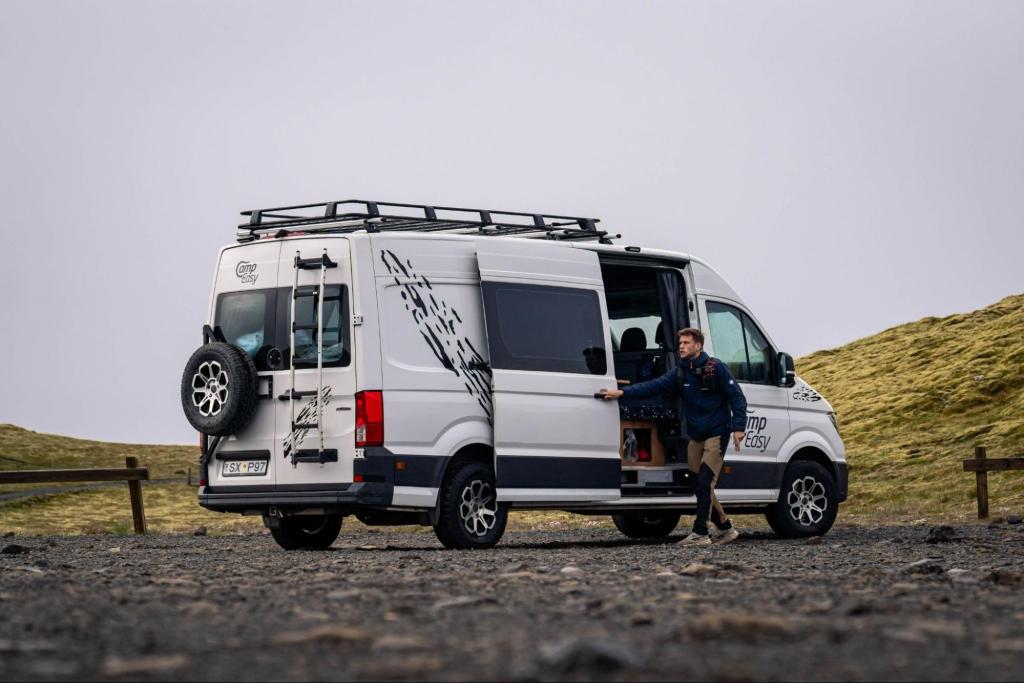
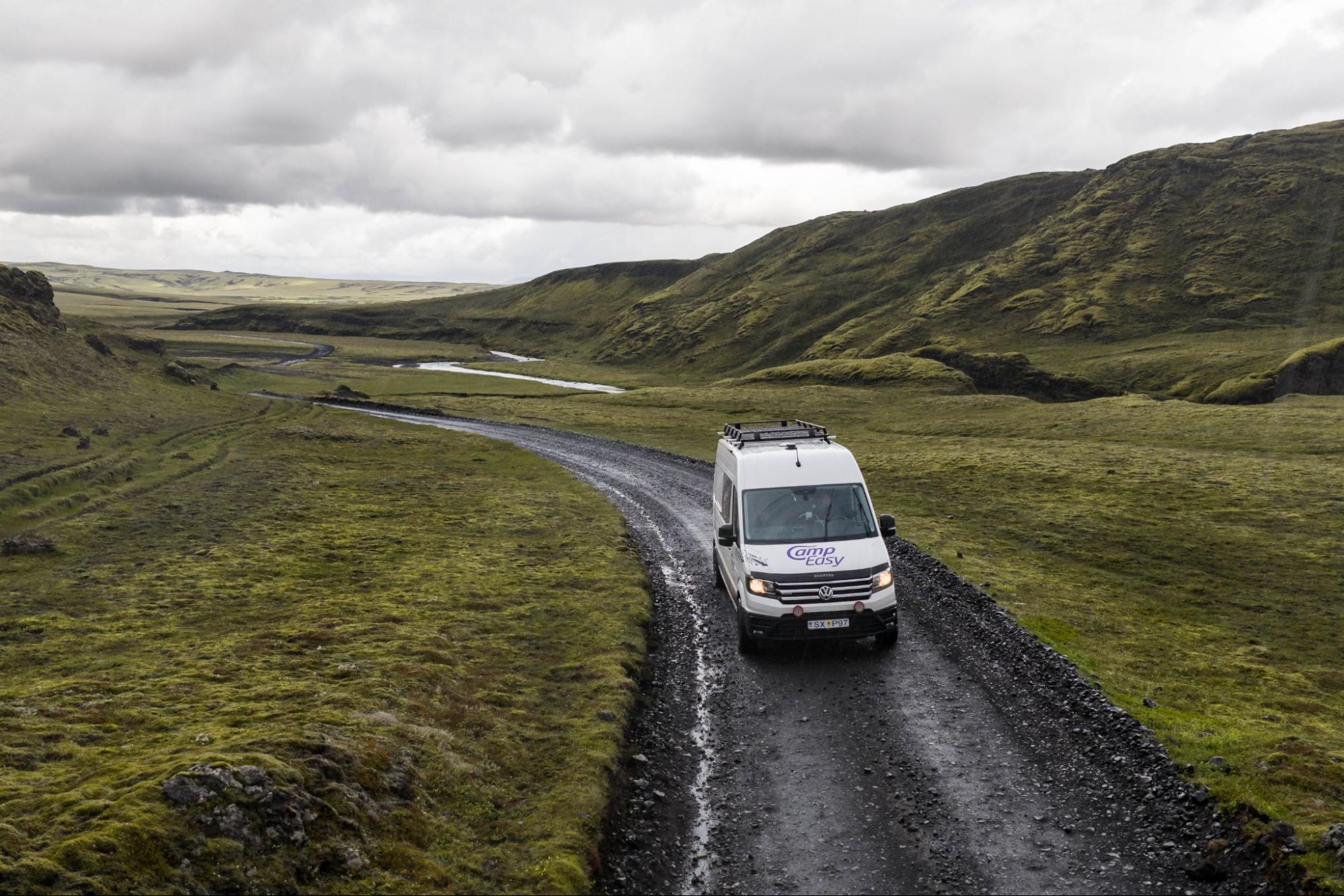
A Golden Circle self-drive in a campervan combines self-navigation with a mobile sleeping base as travellers follow the route. Campervan travel in Iceland combines transportation and lodging, providing flexibility, controlled pacing, and fewer check-in restrictions.
The route is equally suitable for travelers exploring the Golden Circle by car or campervan, offering consistent accessibility and driving conditions throughout the year.
The season window affects the conditions for a self-drive in the Golden Circle. Summer suits long daylight and stable road surfaces. Winter depends on traction, wind exposure, and comfort inside the campervan. Golden Circle remains accessible year-round under normal conditions.
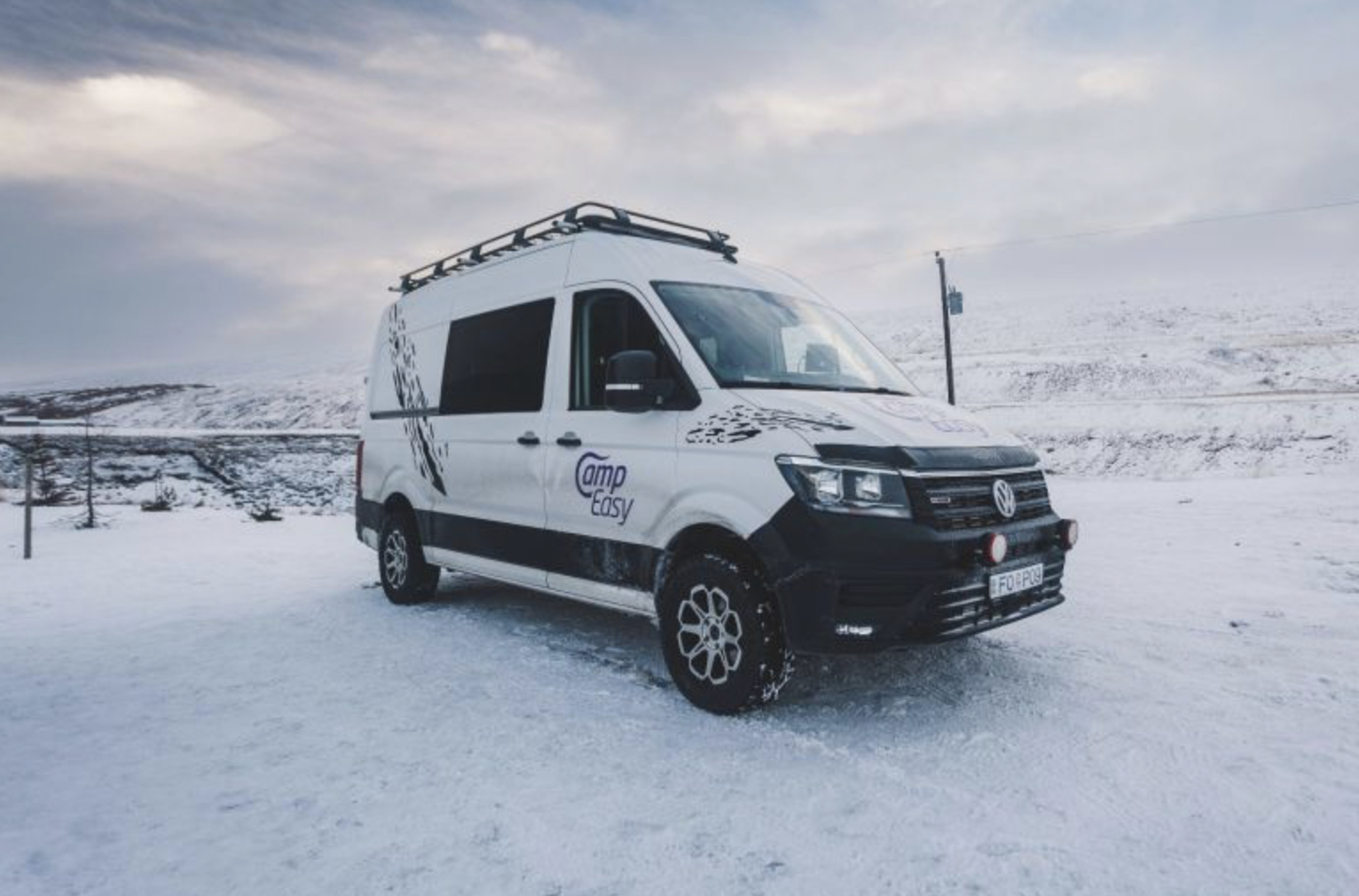
Vehicle choice depends on the season and road conditions. A 2WD campervan is suitable for summer driving on Golden Circle roads. A 4×4 campervan improves traction in winter and strong winds. F-roads require 4×4 vehicles, but the Golden Circle does not under normal conditions.
CampEasy models follow this rule. 2WD/FWD models such as Easy Auto, Easy Fun, and Easy Small are suitable for a summer Golden Circle self-tour. 4×4/AWD models such as Easy Luxury 4×4 and Easy Monster 4×4.
Golden Circle campsites are the legal overnight base for campervan travel on the Golden Circle in Iceland. In Iceland, campervan overnight stays are permitted only at organised campsites (unless you have permission from the landowner).
For travelers arranging campervan rental in Iceland, these campsites align with the Golden Circle itinerary, allowing you to plan your nights legally while keeping driving efficient.
Reykjavík Eco-Campsite is located in Reykjavík and is open year-round. It is suitable as a start or end base for campervans and offers electric hook-ups, restrooms, showers, and waste disposal. The campsite enables early departures toward Þingvellir and supports winter travel.
Þingvellir National Park campsites (Leirar / Vatnskot) sit near Þingvellir and operate mainly in summer. They accommodate campervans and provide essential facilities, serving as an overnight base on the Golden Circle loop.
Laugarvatn Campsite is located between Þingvellir and the Geysir area and operates mainly in summer. It offers electric hook-up, restrooms, and showers, making it suitable as a mid-loop overnight base before continuing to Geysir and Gullfoss.
Geysir Camping Site is located near the Geysir Geothermal Area in Haukadalur and operates seasonally. It includes electric hook-up, restrooms, and showers, allowing proximity to the geothermal stop and early starts.
Skjól Campsite is located between Geysir and Gullfoss and is open year-round. It offers electric hook-up, restrooms, showers, and winter service, making it suitable as a base before continuing the Golden Circle or linking to the South Coast.
These campsites support campervan travel in Iceland by providing seasonal access, essential facilities, and proximity to Reykjavík, Þingvellir, Geysir, and Gullfoss.



CampEasy Opening hours 09:00-16:00
Learn more about Self-Service
A minimum of 20 hours notice is required to use the booking engine. Click here to contact us directly for a booking less than 20 hours from now.
Change Date